Hilarious Animal Behaviors Explained by Science
Animals do some pretty strange things that often make us laugh – from the way penguins waddle to cats kneading their paws on soft surfaces. But behind these amusing behaviors lies fascinating science and evolutionary reasons. In this article, we'll explore some of the funniest animal behaviors and explain the surprising science behind why they do what they do.
The Penguin Waddle: An Energy-Saving Strategy
Penguins' distinctive side-to-side waddle has made them stars of countless memes and animated films. While it might look inefficient and awkward to us, this waddling gait is actually a brilliant adaptation. Research published in Nature has shown that the penguin waddle is the most energy-efficient way for these birds to move their short legs and stout bodies across land.
When penguins waddle, they convert potential energy into kinetic energy with each step, similar to how a pendulum works. This reduces the amount of muscular effort needed for walking by up to 60% compared to if they walked in a straight line like humans. So next time you laugh at a penguin's funny walk, remember they're actually demonstrating remarkable evolutionary efficiency!
Cat Kneading: A Remnant from Kittenhood
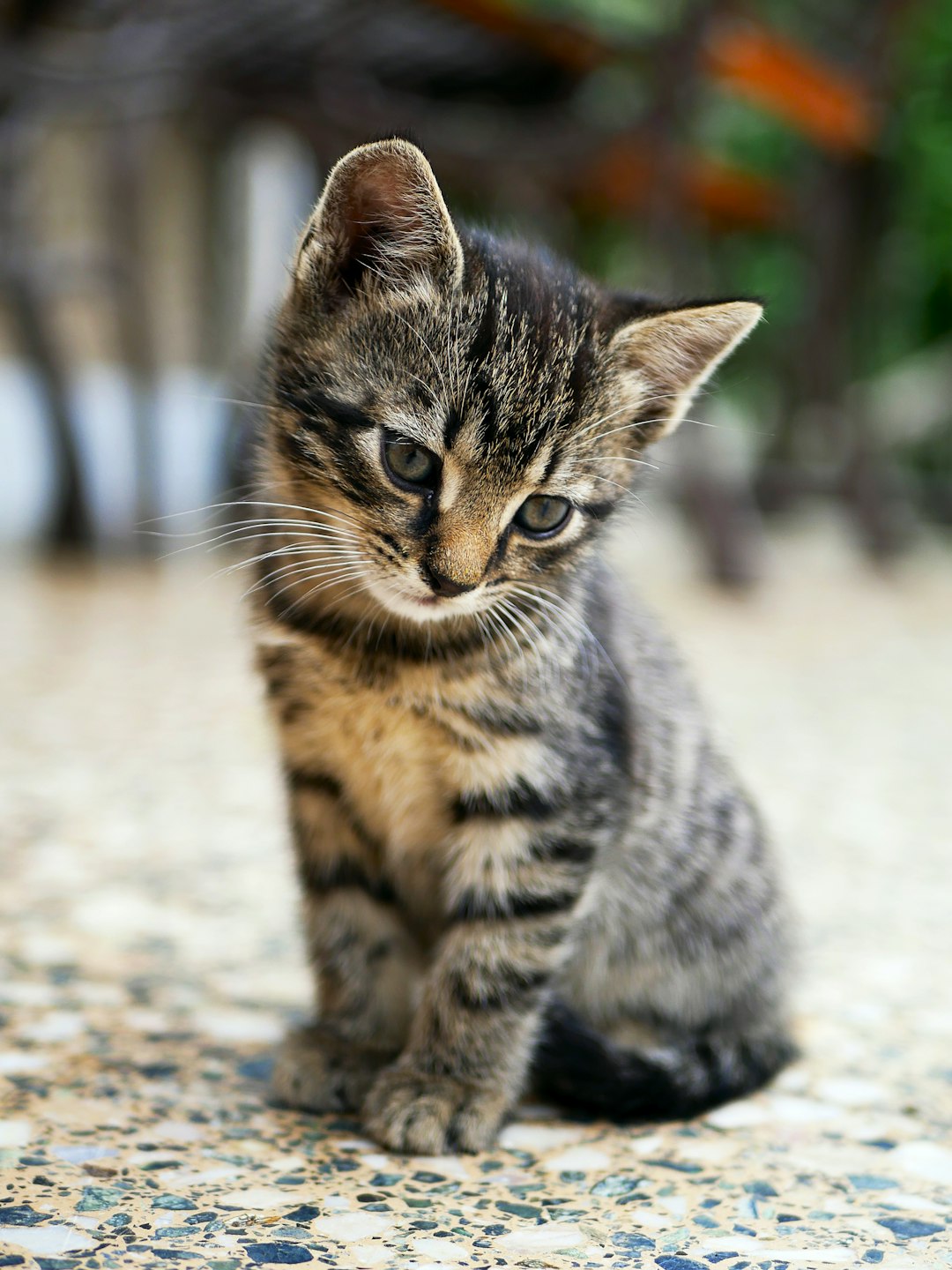
Cat owners are familiar with the rhythmic pushing of paws against soft surfaces – a behavior known as "kneading" or sometimes "making biscuits." This behavior starts in kittenhood when nursing kittens knead their mother's mammary glands to stimulate milk flow. But why do adult cats continue this behavior?
Ethologists (animal behavior scientists) believe that when adult cats knead, they're displaying contentment and reverting to a behavior associated with the comfort and security of nursing. The behavior releases endorphins, creating a pleasurable experience. Some cats also knead to mark territory, as they have scent glands in their paw pads. What looks like a funny quirk to us is actually a complex behavior with multiple evolutionary purposes!
The Head-Tilting Dog: Processing Complex Information
When dogs tilt their heads to the side while looking at us, it's undeniably cute – but it's not just for show. Recent research suggests that head tilting is a sign of concentration, attention, and processing information. Dogs may tilt their heads to better locate the source of a sound or to see around their muzzles, which can partially block their view.
Interestingly, a 2021 study found that dogs with better memories for learning object names showed more frequent head tilts. This suggests the behavior might be connected to cognitive processing and paying attention to something they find significant. So when your dog tilts their head, they're not just being adorable – they're actually thinking hard about what you're saying!
Goat Fainting: A Protective Freeze Response
Videos of "fainting goats" have become viral sensations online. When startled, certain goats appear to faint and fall over stiff-legged, though they remain conscious. This condition, known as myotonia congenita, is caused by a genetic mutation that temporarily prevents muscles from relaxing after contracting.
While it looks hilarious, this condition actually serves as an unexpected survival adaptation. In the wild, when predators attack a herd, these "fainting" goats would fall over, potentially becoming easy prey while allowing the rest of the herd to escape. Farmers have selectively bred for this trait in some herds because it prevents the goats from jumping fences or wandering off. What looks like comedy to us has serious evolutionary implications!
Elephant Trunk-Swinging: Communication and Play
Elephants sometimes swing their trunks in circular motions that look like they're dancing or showing off. This behavior can serve multiple purposes, including play, self-soothing (similar to how humans might fidget), and even communication.
Young elephants especially engage in trunk-swinging as they learn to control this complex appendage containing over 40,000 muscles. Adult elephants may swing their trunks to dislodge insects or to spread their scent. What appears to be a silly motion is actually part of developing crucial trunk control and expressing emotions within their social groups.
The Prairie Dog Jump-Yip
Prairie dogs perform an amusing behavior called "jump-yipping" where they suddenly leap upward with their forelimbs extended while making a high-pitched "yip" sound. This behavior is contagious within a colony and looks like a wave of jumping, yipping prairie dogs.
Scientists have determined this is actually a sophisticated communication system. The jump-yip serves as an "all-clear" signal to the colony and may also test the alertness of other colony members. If others respond quickly with their own jump-yips, it means the colony is vigilant and predators are unlikely to succeed in an attack. What looks like prairie dogs getting overexcited is actually a complex social behavior that helps protect the community.
Flamingo Standing on One Leg: Energy Conservation
The sight of flamingos standing on one impossibly thin leg seems like a precarious balancing act, but there's remarkable science behind this posture. Research shows that flamingos actually expend less energy standing on one leg than on two. Their unique anatomy allows them to lock their leg joints in place, requiring almost no muscle activity to maintain the position.
Additionally, by tucking one leg close to their warm bodies, flamingos reduce heat loss when standing in cold water. This behavior is an example of thermoregulation – managing body temperature – combined with energy efficiency. What looks like an awkward pose is actually a biomechanical marvel!
Rabbit Binkying: The Joy Jump
When rabbits suddenly leap into the air, twist their bodies, and kick out their legs – a behavior known as a "binky" – they're not having seizures or malfunctioning. They're actually expressing pure joy and excitement. This behavior occurs when rabbits feel particularly safe and happy in their environment.
Evolutionary biologists suggest that binkying might have developed from evasive maneuvers used to escape predators, but in domestic settings, it's repurposed as an expression of happiness. It's one of the clearest examples of what appears to be emotion-driven behavior in animals, demonstrating that many creatures experience something akin to joy.
Otters Juggling Rocks: Developing Dexterity
Otters are often observed tossing, spinning, and juggling rocks, a behavior that looks playful and amusing. While play is indeed one component, research suggests this behavior also helps otters develop the dexterity and coordination needed for extracting food from shells and other challenging sources.
A 2020 study found that otters that juggle more frequently aren't necessarily better at solving food puzzles, suggesting the behavior might serve multiple purposes, including stress reduction and cognitive engagement when food isn't available. What looks like showing off is actually an important practice session for essential survival skills!
Conclusion: Evolutionary Purpose Behind Amusing Behaviors
While these animal behaviors might make us laugh, they all serve important evolutionary purposes – from energy conservation to communication, predator avoidance, and skill development. The next time you chuckle at a waddling penguin or a head-tilting dog, remember that you're witnessing the remarkable results of millions of years of evolution perfectly tailored to each species' needs.
What makes animal behavior so fascinating is how behaviors that seem silly or inefficient to human observers actually represent sophisticated adaptations to specific environmental challenges. By understanding the science behind these behaviors, we gain a deeper appreciation for the complexity and ingenuity of the animal kingdom – even in its funniest moments.