10 Unusual Animal Species You've Never Heard Of
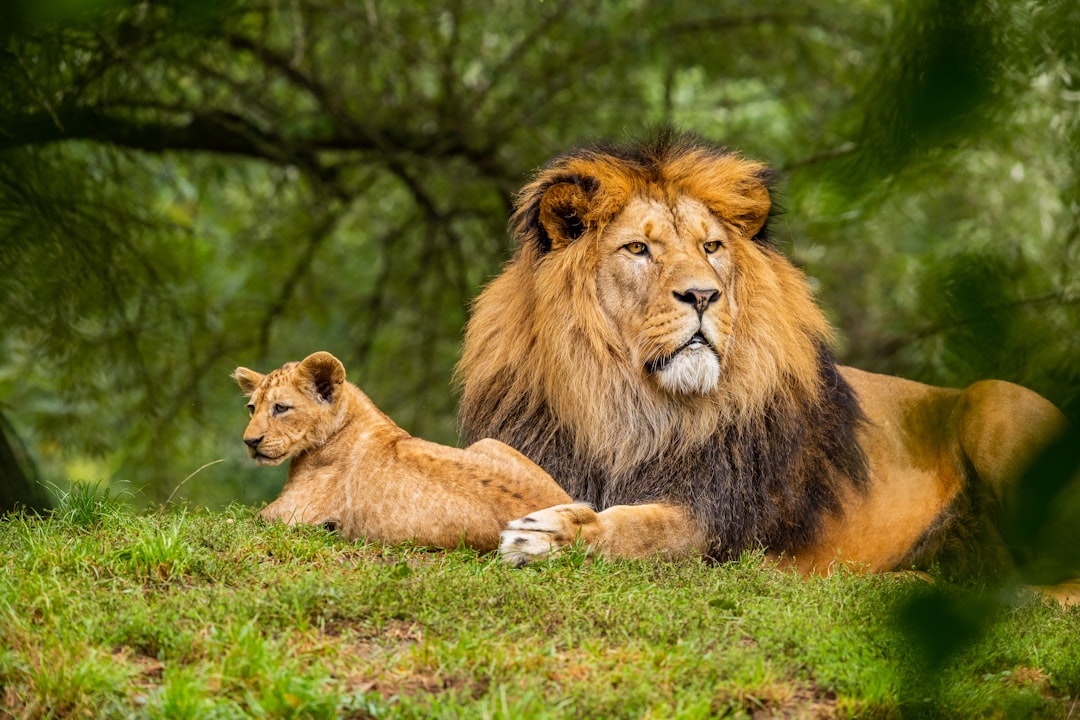
Our planet is home to an estimated 8.7 million species, many of which remain undiscovered or poorly studied. While lions, elephants, and pandas get most of the spotlight, there's a whole world of strange and fascinating creatures that rarely make headlines. In this article, we'll introduce you to ten of the most unusual animal species that you've probably never heard of, each with remarkable adaptations that showcase the incredible diversity of life on Earth.
1. The Blobfish (Psychrolutes marcidus)
Often voted as the world's ugliest animal, the blobfish looks like a gelatinous blob with a grumpy face when brought to the surface. However, in its natural habitat deep in the ocean (2,000-4,000 feet below sea level), the extreme pressure keeps its body looking much more like a typical fish. The blobfish's jelly-like body is an adaptation that allows it to float just above the seafloor with minimal energy expenditure, as food is scarce at those depths.
2. The Aye-Aye (Daubentonia madagascariensis)
This bizarre-looking lemur native to Madagascar features several unusual adaptations, including an extremely long middle finger that it uses to tap on trees to find insect larvae, bat-like ears, and continuously growing incisors similar to rodents. Unfortunately, local superstitions have led to the aye-aye being killed on sight in some areas, contributing to its endangered status.
3. The Axolotl (Ambystoma mexicanum)
Also known as the Mexican walking fish (though it's actually an amphibian), the axolotl is famous for its remarkable regenerative abilities. It can regrow entire limbs, parts of its brain, and even its spinal cord. Unlike most amphibians, axolotls exhibit neoteny, meaning they retain their juvenile characteristics (including external gills) into adulthood and never undergo metamorphosis to leave the water.
4. The Barreleye Fish (Macropinna microstoma)
This deep-sea fish has a transparent head filled with fluid, through which its tubular, extremely light-sensitive eyes can peer upward to detect prey. The barreleye can rotate these eyes within its transparent shield to look forward as well. This bizarre adaptation helps it spot the silhouettes of potential food items against the faint light from above.
5. The Mantis Shrimp (Stomatopoda)
Don't let the name fool you - this isn't your average shrimp. Mantis shrimps possess the fastest punch in the animal kingdom, striking with the force of a .22 caliber bullet. Some species are "spearers" that impale prey with spiny appendages, while others are "smashers" that can break aquarium glass with their strikes. They also have the most complex visual system known to science, with up to 16 photoreceptor types (compared to humans' three).
6. The Gerenuk (Litocranius walleri)
Native to East Africa, the gerenuk or "giraffe-necked antelope" has an extraordinarily long neck and legs that allow it to stand on its hind legs to browse on vegetation that other antelopes can't reach. They rarely need to drink water, getting most of their moisture from the plants they eat.
7. The Pangolin (Pholidota)
These unique mammals are covered in overlapping scales made of keratin (the same material as human fingernails). When threatened, pangolins roll into a tight ball, using their scales as armor. Sadly, this defensive posture doesn't protect them from poachers, and pangolins are now the most trafficked mammals in the world, primarily for their scales which are used in traditional medicine.
8. The Star-Nosed Mole (Condylura cristata)
This small North American mole has 22 fleshy appendages around its snout that form a star-like structure. These tentacles contain more than 100,000 nerve fibers, making the star-nosed mole's sense of touch perhaps the most sensitive in the animal kingdom. They can identify and consume food items in less than a quarter of a second.
9. The Tufted Deer (Elaphodus cephalophus)
This small deer native to China might look cute at first glance, but males have vampire-like upper canine teeth that protrude from their mouths. These "fangs" can grow up to 2.5 cm long and are used in territorial fights with other males. Combined with the tuft of black hair on their forehead, these deer have a distinctively unusual appearance.
10. The Lowland Streaked Tenrec (Hemicentetes semispinosus)
Native to Madagascar, this small mammal looks like a cross between a hedgehog and a bumblebee. Its yellow and black striped spines serve as warning coloration, and it can produce stridulation sounds by rubbing specialized quills together - making it the only mammal known to communicate through this method, which is more common in insects like crickets.
Conservation Status
Many of these unusual species face significant conservation challenges. The aye-aye and pangolin are endangered due to habitat loss and hunting, while the axolotl is critically endangered in the wild, primarily existing in captivity. The blobfish and barreleye fish, though less studied, face threats from deep-sea trawling. By raising awareness about these lesser-known creatures, we hope to highlight the importance of protecting all biodiversity, not just the charismatic megafauna that typically receive conservation attention.
These ten unusual animals represent just a tiny fraction of the extraordinary diversity of life on our planet. Each has evolved unique adaptations to survive in its particular ecological niche, demonstrating the incredible creativity of evolutionary processes. Next time you think you've seen it all when it comes to animals, remember that there's a whole world of bizarre and fascinating creatures still waiting to be discovered and appreciated.